

 Made in the USA
 Industrial Durability
 Limitless Creativity
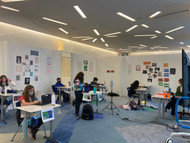
What Is Flexible Learning Space Design?
Posted by Kate Murphy on Sep 2nd 2026
A classroom may host a full-group lesson at 9 a.m., small-group projects before lunch, and independent testing or study that afternoon. A fixed layout might earn top marks during one activity, but collaboration, testing, and hands-on learning do not all study from the same playbook.
Flexible learning space design creates adaptable environments that shift with the lesson, the learners, and the moment. Instead of relying on one permanent arrangement, educators use movable furniture, modular walls, and reconfigurable partitions to support a range of activities within the same space.
Put simply, the room adapts to the students—not the other way around.
Benefits of Flexible Learning Environments
There is no single “right” way to learn, so there should not be only one way to arrange a learning space. Flexible environments can:
- Support teacher-led instruction, group work, hands-on activities, and independent study
- Encourage collaboration, creativity, and active participation
- Make better use of classrooms and shared areas
- Adapt to new programs, class sizes, or priorities without permanent construction
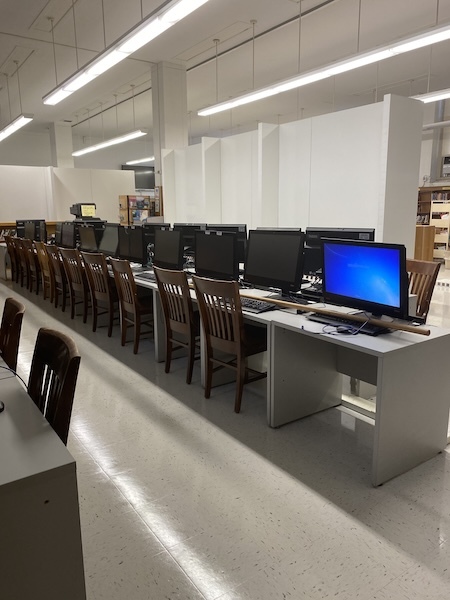
These benefits extend beyond traditional classrooms. STEM labs may need open space for building challenges one day and robotics workstations the next. Makerspaces, libraries, and media centers also benefit from layouts that change as projects evolve.
Zoning a Flexible Space for Collaboration & Quiet Areas
Zoning divides a room into purposeful areas without permanent walls. The goal is not to fit every possible zone into the space at once, but to create areas that can change with the activity.
Movable furniture helps shape how each zone functions. Tables can form clusters for group projects, a horseshoe for teacher-led instruction, or individual stations for focused work and testing. Mobile seating and storage can move with them, making it easier to expand, shrink, or repurpose an area.
Partitions and temporary walls provide separation when furniture alone is not enough. They can surround a collaboration zone, create a quieter area with fewer visual distractions, or divide one room so multiple activities can happen at the same time. When the class needs to come together again, the partitions can be moved or reconfigured to reopen the space.
How Movable Furniture and Partitions Allow Zones to Change
Movable furniture is the foundation of many flexible learning spaces. Lightweight tables, mobile storage, and stackable chairs can be rearranged without turning every transition into a workout.
Furniture alone cannot always create enough separation. Modular elements and partitions can define activities, reduce visual distractions, and add privacy.
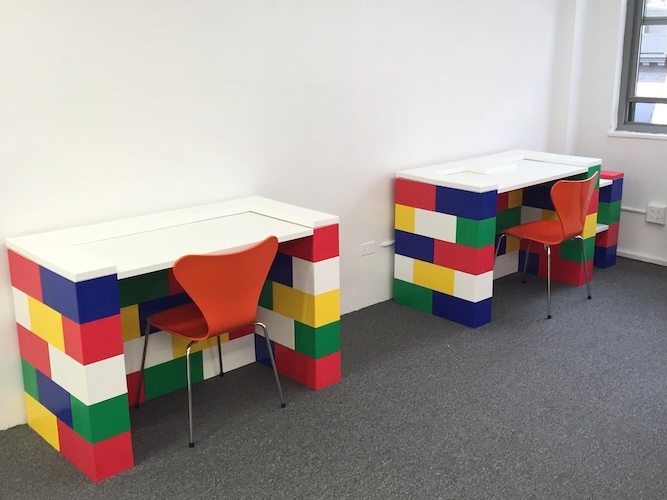
EverBlock® modular building blocks can form tables, seating, shelving, reading corners, and low-dividing walls. For younger learners, the oversized blocks can become part of the activity itself, encouraging students ages 3 and older to design, test, and rebuild real structures.
For more defined areas, EverBlock® walls and EverPanel® modular walls can divide open spaces into classrooms, testing areas, quiet zones, and offices. Because both systems are modular and reconfigurable, layouts can evolve without a permanent floor plan.
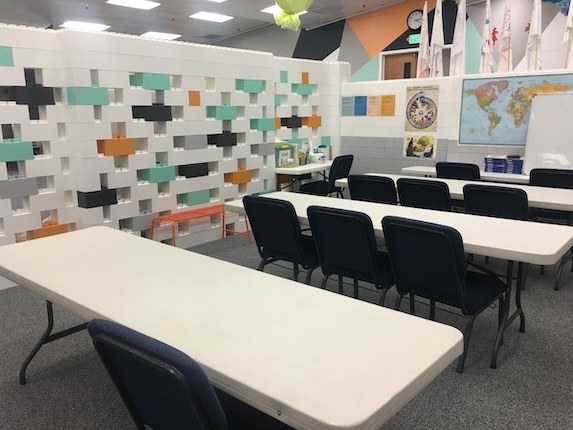
In a STEM lab, EverPanels® could separate a computer station from an active build zone. EverBlocks® could form project tables or storage, then be rebuilt for the next unit. That is flexibility students can see—and sometimes help build.
Acoustics, Lighting, & Comfort
A well-designed learning space should also manage noise, provide appropriate lighting, and keep students comfortable. Partitions and sound-absorbing materials can help create quieter areas, while bright lighting may support hands-on work and softer lighting can better suit reading or sensory spaces.
The layout should also provide ergonomic seating, accessible pathways, and enough room to move safely. If reconfiguring the space blocks a doorway or crowds students around furniture, it is not truly flexible.
How to Design a Flexible Learning Space
Use this framework to move from “We need this room to do more” to a space that actually can:
- Assess the space and its activities. Note room dimensions, entrances, windows, outlets, storage, and the lessons or programs the area must support.
- Identify the necessary zones. Prioritize the activities that happen most often, such as direct instruction, group work, independent study, building, or testing.
- Choose movable, modular furniture. Choose easy-to-reposition, multipurpose pieces appropriately sized for students.
- Determine where partitions or modular walls could help. Consider where added separation could limit distractions, define a quiet area, or allow simultaneous activities.
- Create several layouts. Plan at least two or three arrangements rather than treating one setup as the final answer.
- Test and adjust. Watch how students and educators use the space. If traffic bunches up or a quiet zone is still noisy, refine the layout.
Common Mistakes in Flexible Learning Space Design
Flexibility should make a room easier to use, not create a daily puzzle. Avoid:
- Choosing furniture too awkward or heavy to move
- Expecting one layout to fit every activity
- Overlooking acoustics, circulation, accessibility, or sightlines
- Adding options until the room feels cluttered
- Prioritizing products over student and teacher needs
Creating Effective Learning Spaces with Movable Furniture
Flexible learning space design helps educators support changing activities and learners. Movable furniture shifts between teaching styles, while modular partitions and walls define zones and rework layouts without permanent construction.
The best spaces are not flexible simply because things move. They are flexible because every change has a purpose.
Browse EverBlock® and EverPanel® education solutions or request a free custom design to start building a learning environment around the way your students learn.
Frequently Asked Questions About Flexible Learning Spaces
What is flexible learning space design?
Flexible learning space design uses adaptable layouts, movable furniture, and reconfigurable elements to support different teaching methods, activities, and student needs within the same environment.
What furniture is best for flexible learning spaces?
Look for mobile tables, stackable seating, movable storage, and multipurpose modular pieces.
How do you create a flexible classroom?
Begin with the activities the classroom must support, identify useful zones, select easily movable furnishings, plan several layouts, and adjust the setup based on real use.
What are the benefits of flexible learning spaces?
They support multiple learning styles, encourage collaboration and active learning, improve the use of available space, and help environments adapt as needs change.
How can partitions make a classroom more flexible?
Partitions can define activity zones, reduce visual distractions, add privacy, and allow multiple groups to use one room for different purposes.
Can flexible learning spaces be created without permanent construction?
Yes. Movable furniture, portable partitions, EverBlock® walls, and EverPanel® modular wall systems can help schools reconfigure or divide areas without conventional permanent construction.