

 Made in the USA
 Industrial Durability
 Limitless Creativity
How to Reduce Classroom Distractions: A Guide to Designing a Focused Classroom
Posted by Kate Murphy on Nov 19th 2026
You’re halfway through a lesson when footsteps echo down the hallway. Across the room, a group project gets a little louder. Before long, keeping everyone focused feels like a lesson of its own.
Classroom distractions come from both daily habits and the space itself. Clear expectations help students manage interruptions, while thoughtful room design keeps noise, clutter, and movement from competing with instruction.
If you’re wondering how to reduce classroom distractions, start with these 12 practical changes. A more focused classroom can take shape one routine, seating adjustment, or building block at a time.
Start with Routines and Expectations
1. Practice what happens during interruptions
Announcements, visitors, and unexpected interruptions are part of school life. Walk students through what to do when they happen, such as pausing conversations and staying seated when appropriate. Then practice returning to the task so a brief interruption doesn’t derail the whole lesson.
2. Make expectations easy to follow
Introduce classroom expectations on day one, then give students opportunities to practice. A short, posted list helps keep those expectations handy, but examples make them clearer. Show what independent work sounds like and how to ask for help, then revisit those routines after breaks or whenever the class needs a refresh.
3. Give devices a clear role
For older students, make it clear when phones, tablets, and laptops belong in the lesson and when they should be put away. A designated phone storage area or a reminder to close laptops during instruction can make transitions easier, with exceptions for learning and accessibility needs. When everyone knows the plan, you can spend less time reminding and more time teaching.
Cut Visual Distractions
4. Interrupt distracting sightlines
Take a seat at a student’s desk and look around. Is the doorway framing every hallway passerby? Does a busy window draw attention away from the board? Reposition desks or add low partitions to soften those distractions while preserving daylight, teacher visibility, and clear paths through the room.
5. Give the teaching wall breathing room
Maps, artwork, decorations, and colorful displays give a classroom personality, but they can also draw students’ attention away from the lesson. In one study, kindergarten students were more distracted and learned less in a heavily decorated setting than in a sparsely decorated one.
This doesn’t mean classrooms need bare walls—just be thoughtful about how much is displayed, especially near the teaching area. Keep the area around the board focused on current instruction and move rotating displays to side or back walls.
6. Make seating work harder
A seat near instruction and away from a busy doorway may help a student stay engaged. Look for less obvious distractions, too, such as classmates repeatedly passing by to grab supplies. Talk with students about what helps them concentrate, and adjust seating as needed rather than treating the first arrangement as final.
Reduce Noise and Echo
7. Add sound-absorbing surfaces and materials
If conversations and chair scrapes seem to linger, the room’s hard surfaces may be contributing to the echo. Add acoustic panels, rugs, or appropriate soft furnishings to help absorb reflected sound.
For a partition with acoustic benefits, SoundSorb™ EverPanel® options offer an NRC rating up to 0.50. Check the material’s acoustic performance when choosing a divider, since visual privacy alone doesn’t guarantee sound absorption.
8. Put distance between competing activities
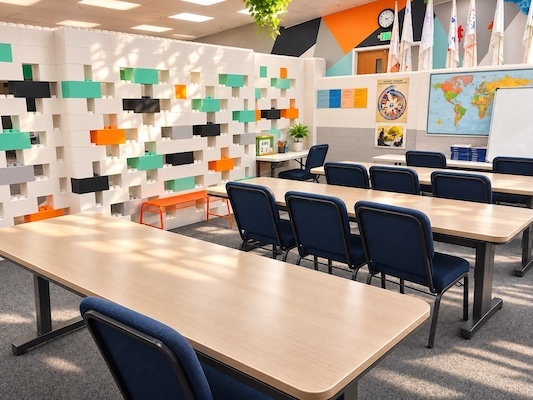
A lively science discussion deserves space. So does the student trying to finish chapter three. Position collaborative work and independent reading at opposite ends of the room, with reconfigurable partitions or walls between them to limit visual distractions. In areas where echo is also a concern, include sound-absorbing surfaces in the layout.
9. Establish a shared noise cue
Agree on a cue students can recognize when the volume starts to climb, such as a hand signal or visual voice-level chart. Practice what different levels sound like during group work, independent study, and transitions. A familiar cue helps the class reset without requiring you to raise your voice over everyone else.
Zone the Room for Different Kinds of Work
10. Create a quiet corner students can choose
Give students a place to read or take a brief reset with a low partition wall, comfortable seating, and a few carefully chosen materials. Keep the area visible and accessible and explain when and how to use it. Making it a welcoming choice, rather than a consequence, helps establish its purpose.
11. Build small-group pods
Give small-group activities a little room of their own with modular blocks or panels. An EverPanel® or EverBlock® L-Shaped Wall Kit with Door, or simple walls can help separate the reading area from nearby activities. Position the kit to maintain supervision and keep books within reach so students can settle in without crossing the classroom.
12. Offer individual focus spots
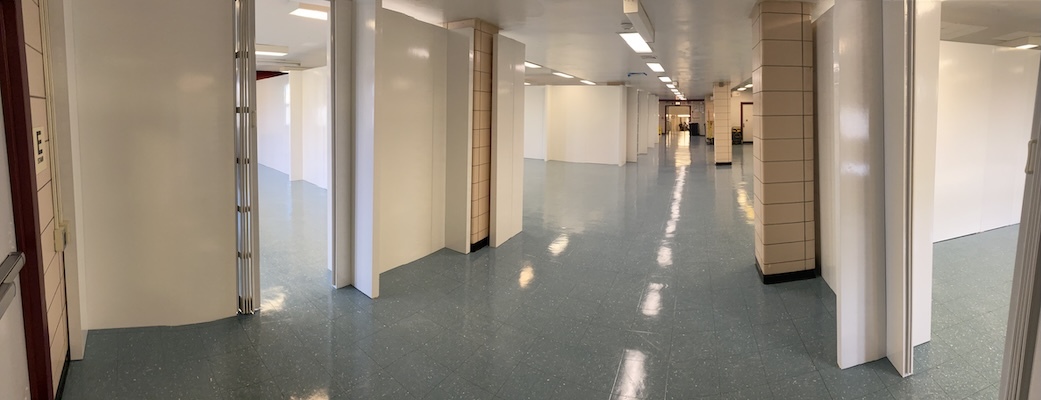
Set aside a few desks with privacy screens or study carrels for tasks requiring extra concentration. Invite students to try them and share what works. Someone may appreciate a quieter spot for writing but prefer an open table for math. Keep these spaces flexible so students can choose support without committing to a permanent seat.
Supporting Students with Attention or Sensory Needs
What feels comfortable to one student may be distracting or overwhelming to another. For students with ADHD, autism, or sensory processing differences, start by asking what helps them feel comfortable and focused. Notice how they respond to different spaces, and work with their support team to guide adjustments.
That might mean offering a seat away from busy walkways, keeping a quiet space available, or using familiar visual cues during transitions. Around their usual work areas, limit competing displays and noise while keeping schedules and task instructions easy to find. Build in room for choice, too. A student may need a quiet spot for one activity and feel ready to join a group for the next.
Planning a Classroom Refresh
For principals and facilities teams, modular systems make it easier to try a new classroom layout and adjust as needs change. EverPanel® and EverBlock® install without tools or contractors. EverPanel® components can be assembled in minutes by two or three people.
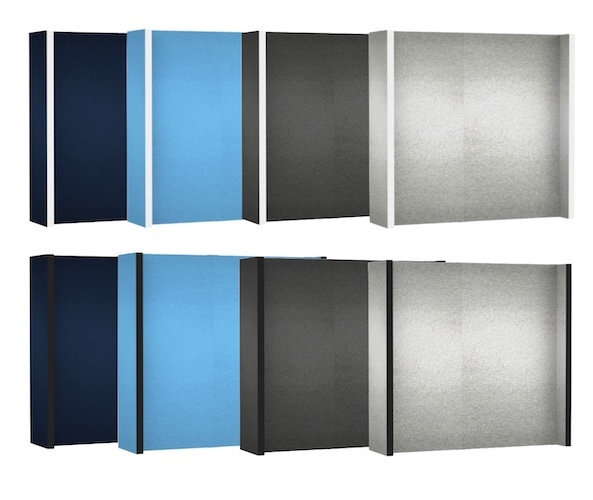
Start with what each area needs:
- EverBlock® modular blocks: Build low walls, reading corners, and colorful group boundaries. Choose a restrained palette where visual calm matters. EverBlock® blocks are made from high-impact polypropylene with color additives. They’re tested to CPSIA, ASTM F963, and EN71 toy safety standards.
- White FRP (fiber-reinforced plastic/polymer) EverPanel®: Create taller partitions and defined teaching areas with a nonporous surface that resists moisture, stains, scratches, and dents. Standard household cleaners make everyday cleanup easy. FRP EverPanel® panels meet ASTM E84 Class C requirements for flame spread and smoke development and have undergone ASTM E90-09 sound transmission testing.
- SoundSorb™ EverPanel®: Add sound absorption where echo competes with instruction. Available in various cool and neutral colors, these durable surfaces contain 60% recycled material and offer an NRC rating up to 0.50. Recycled content may create natural variations in texture and shading.
Build a Classroom with Fewer Distractions
Reducing classroom distractions starts with the routines you teach and the room you teach in. You don’t need a renovation to make a difference. Start with one change this week: clear the teaching wall, move a busy supply station, or define a reading corner. See how students respond, then build from there.
Ready to rethink your classroom? Explore EverBlock® building blocks and EverPanel® reconfigurable wall panels to create a classroom that grows with your students.
Frequently Asked Questions
What are the most common distractions in the classroom?
Conversations, hallway activity, devices, visual clutter, and movement around supplies can all compete with instruction.
How do you reduce noise in a classroom?
Combine voice-level expectations with sound-absorbing materials and greater separation between quiet and collaborative activities.
How can classroom design improve student focus?
Thoughtful seating, fewer competing sightlines, and clearly defined work areas give students more options for concentrating.
Which room dividers are best for classroom focus?
Choose based on what’s competing for students’ attention. EverBlock® building blocks create low walls and defined activity areas, while EverPanel® wall panels offer taller visual separation. SoundSorb™ EverPanel® options add sound absorption where echo is a concern. Explore our classroom and STEM solutions for ideas to bring these zones into your space.