

 Made in the USA
 Industrial Durability
 Limitless Creativity
What Are Modular Walls? Use Cases, Benefits, & How They Work
Posted by Kate Murphy on May 1st 2026
What happens when your space needs to change, but your walls don’t?
That’s a challenge many businesses, event teams, and facilities face. Layouts shift, teams grow, events come and go, but traditional construction can’t keep up. That’s why more teams are turning to modular wall solutions.
Modular walls are flexible, movable wall systems made from prefabricated components that can be assembled, reconfigured, and reused as needed. Instead of committing to permanent construction, they give you the ability to reshape your space in real time—whether you’re dividing a room, creating a branded environment, or adapting to new workflows.
In this guide, we’ll break down how modular walls work, where they’re used, and why more organizations are choosing them as a smarter, more adaptable alternative to traditional builds.
What Are Modular Walls?
At their core, modular walls are wall systems designed for flexibility. Instead of being built permanently with drywall or framing, they are made from pre-manufactured components that connect to form walls, partitions, or enclosed spaces.
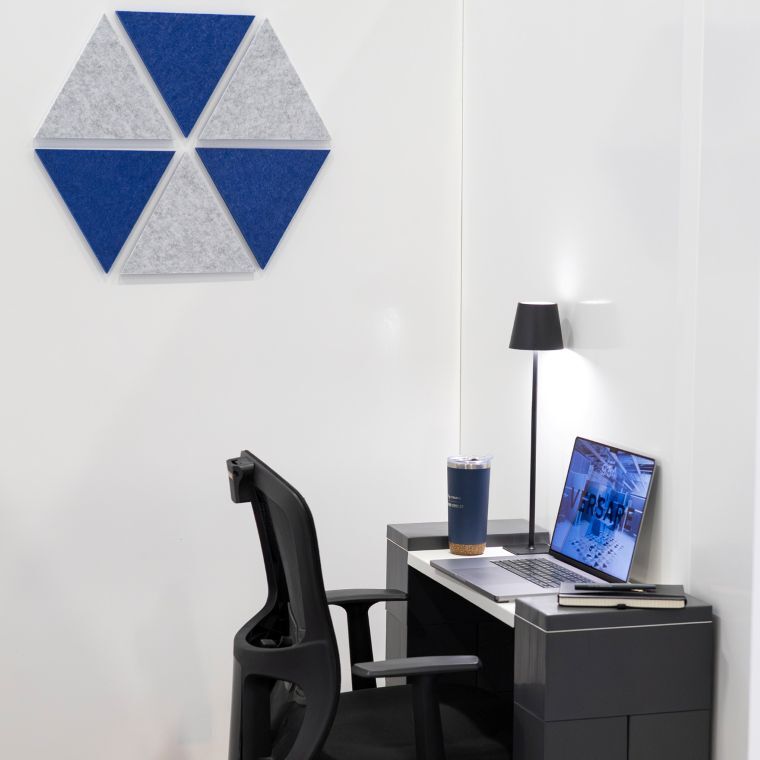
For many, modular walls provide a practical alternative to traditional construction. They can be set up quickly, taken down just as easily, and reconfigured to fit changing needs. Because they are designed to be portable and reusable, they are especially useful in environments where layouts shift frequently, or spaces serve multiple purposes.
How Do Modular Walls Work?
Modular walls may look like traditional walls, but they’re built to be assembled much more efficiently. They use a system of premade components that connect to form a stable, freestanding structure. Panels or blocks create a visible surface, while frames or internal supports provide strength. Connectors or interlocking features hold everything together, and base supports keep the wall upright and secure.
Once assembled, these systems can create anything from simple room dividers to fully enclosed spaces. Because the components are standardized, layouts can be expanded, reduced, or rearranged without starting over. That flexibility is what sets modular walls apart. They allow you to adjust your space quickly without tools, downtime, or permanent changes.
Benefits of Modular Walls
Modular walls make it possible to rethink space as something fluid rather than fixed. Instead of committing to a single layout, teams can adjust their environments as priorities shift, without the delays that come with traditional construction.
That flexibility also extends over time. Because modular systems are reusable, they can be used across multiple events, locations, or projects instead of being built and discarded. This helps reduce long-term costs while also minimizing material waste.
Modular walls are also easy to transport and store, making them a practical choice for teams working across different spaces. Visually, they offer a clean, professional appearance and can be customized with a range of finishes, colors, or branding elements. Just as important, they reduce disruption, eliminating the need for noisy construction, dust, or downtime.
Common Applications for Modular Walls
Modular walls are used across a wide range of industries and environments.
Tradeshow Booths
Modular walls are commonly used to create booth backwalls, branded displays, and semi-private meeting areas. Because they can be reused and reconfigured, they offer a consistent, professional setup across multiple shows.
Pop-Up Shops
Modular walls make it easy to quickly build temporary retail environments in malls, events, or vacant spaces. They allow brands to create defined, polished storefronts without permanent construction or long setup times.
Retail Rollouts & Seasonal Displays
For multilocation retail, modular walls help maintain consistent branding across stores. They also make it simple to update layouts and visuals for seasonal campaigns or promotions.
Corporate Events or Product Launches
Modular walls are often used to create branded environments for events and launches. They can define spaces, guide attendee flow, and help create a more organized, immersive experience.
Photo Ops or Branded Backdrops
Create clean, customizable backdrops for photos, media, or social sharing. With different finishes or graphics, they help create a unique visual presence.
Room Dividers & Space Segmentation
Divide offices, classrooms, churches, or multipurpose spaces into functional areas and zones without permanent walls.
Mobile Exhibit Tours
Modular walls are ideal for exhibiting programs that travel between cities and venues. Their portability and reusability make it easy to maintain a consistent setup while reducing setup time and cost.
Types of Modular Walls
Modular walls generally fall into two main categories, each suited for different applications.
Modular Block Walls
Modular block walls, like EverBlocks®, use interlocking, quick-connect blocks to create structures with added depth and strong visual impact. Their dimensional design allows for more sculptural, eye-catching layouts, making them ideal for creative displays and feature walls. 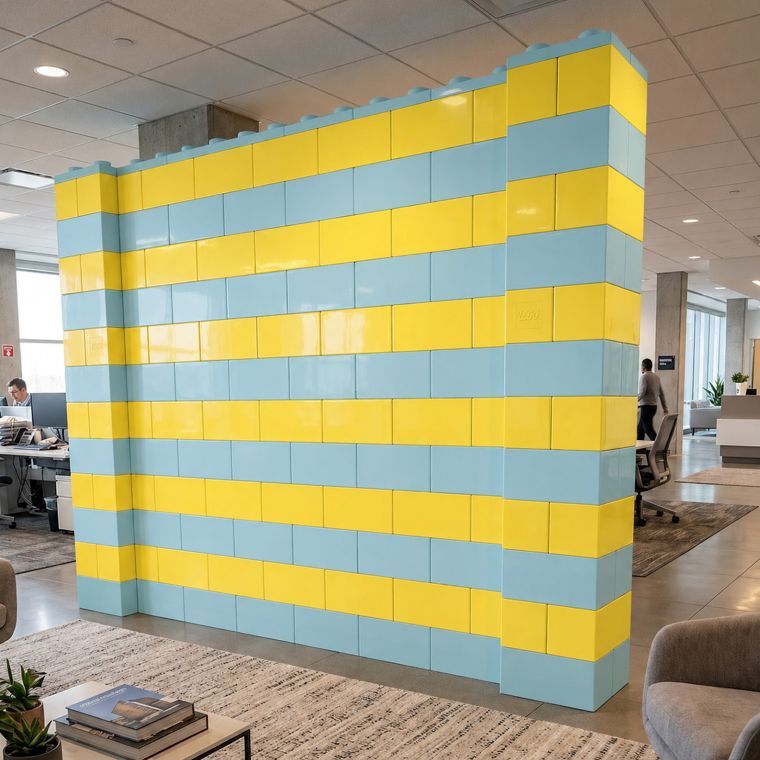
Modular Panel Walls
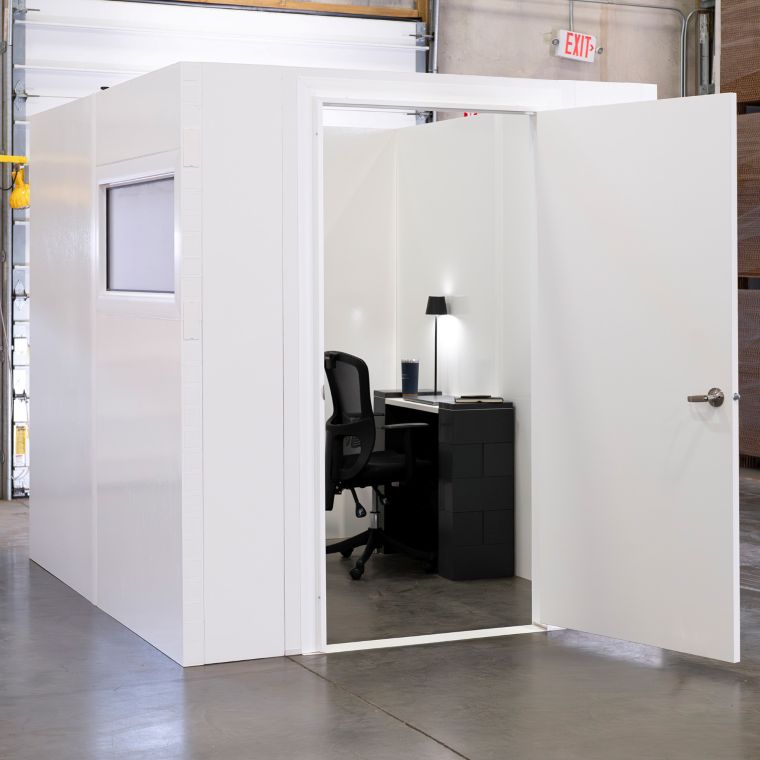
Modular panel walls, like EverPanels®, on the other hand, are built from flat sections joined together by frames, connectors, or supports. They offer a clean, professional appearance and are especially well suited for pop-up rooms and temporary partitions. Their simplicity and versatility make them a popular choice for commercial and residential spaces.
Materials Used in Modular Walls
The materials used in modular walls play a significant role in how they perform, how they look, and how easy they are to handle.
Wall Finishes
Wall finishes can range from fabric and laminate to painted surfaces or printed graphics. Some systems also offer dry-erase or acoustic options. These finishes not only define the appearance of the wall but also influence how it functions, particularly in branded or sound-sensitive environments.
For example, EverPanels® feature white fiber-reinforced plastic (FRP), a durable, non-porous surface that resists moisture, stains, scratches, and mildew for easy cleaning and long-term use. EverPanels® are also available with SoundSorb™ walls for strong acoustic performance, as well as custom-printed FRP for added design and branding.
Framing
Framing is often made from lightweight, yet strong materials such as aluminum and durable, high-quality plastic. This provides a high strength-to-weight ratio, making the system durable while still easy to transport and assemble.
In standard EverPanels®, the frame system is formed using patented injection-molded modules, creating a strong, stable structure that supports the panel system.
Panel Cores
Inside the panels, core materials determine rigidity, weight, and overall performance. Some are designed to be lightweight for portability, while others offer added durability or sound absorption. The goal is to strike a balance between strength and ease of use.
In EverBlocks®, each building block is hollow but contains reinforced structural cross-ribs for additional strength and to provide a tight fit.
Are Modular Walls Worth It?
While modular walls may require a higher upfront investment than basic temporary solutions, their long-term value is often significantly greater. Because they can be reused across multiple projects, they eliminate the need for repeated spending on custom builds.
They also reduce labor costs and setup time, allowing teams to deploy solutions faster and with fewer resources. For organizations that frequently adapt or transform their spaces, modular walls provide a strong return on investment.
Why EverBlock Systems?
EverBlock Systems offers modular wall solutions designed to make space adaptation simple and efficient. Our systems are built for durability, portability, and ease of assembly, making them suitable for everything from events and retail to offices and commercial environments.
With a wide range of configurations, finishes, and customization options, EverBlocks® and EverPanels® allow you to create spaces that not only function well but also look polished and professional. The result is a flexible system that can grow and evolve with your needs.
Adapt With Your Space with Modular Walls Today
Spaces rarely stay the same for long. Teams grow, events evolve, and layouts need to shift—often faster than traditional construction can keep up.
That’s where modular walls make a difference. They give you the ability to divide, brand, and reshape your space as needed, without starting from scratch each time. Modular systems offer a flexible, reusable solution that saves time, reduces costs, and adapts alongside your needs.
If your space needs to work harder—or change more often—modular walls are worth considering. Connect with our team to get your questions answered and find the right modular wall solution.